Table of contents
Tokyo’s vibrant streets have become a living canvas for the growing phenomenon of genderless fashion, where traditional boundaries are not just blurred but completely reimagined. This article delves into the cultural, social, and historical forces that have propelled this movement to the forefront of modern style. Continue reading to discover how genderless fashion is transforming not just wardrobes, but perceptions and self-expression across Japan’s capital.
The roots of genderless fashion
Genderless fashion in modern Tokyo is deeply rooted in a complex tapestry of historical and cultural influences that have shaped the city’s vibrant style landscape. After World War II, Tokyo culture experienced rapid transformation, with Western influences merging with traditional Japanese aesthetics. This resulted in a unique blend that encouraged experimentation and self-expression. Youth subcultures such as Harajuku and Shibuya street styles emerged as spaces where individuals could challenge conventional norms, leading to the early embrace of androgyny in clothing choices. These movements disrupted established gender binaries, setting the stage for a broader acceptance of fashion unbound by assigned categories.
As Tokyo’s society became increasingly globalized, the proliferation of international media played a pivotal role in normalizing diverse expressions of identity. Influences from global fashion history, such as the androgynous trends of the 1970s and 1980s, found resonance among Japanese youth seeking to distinguish themselves from mainstream culture. This interplay between local subcultures and worldwide trends fueled a cultural evolution, making genderless fashion a powerful statement within Tokyo culture. The movement’s foundations in both rebellion and creativity continue to inspire designers and consumers alike, reflecting the city’s ongoing journey toward inclusivity and innovation in fashion.
Visual language of self-expression
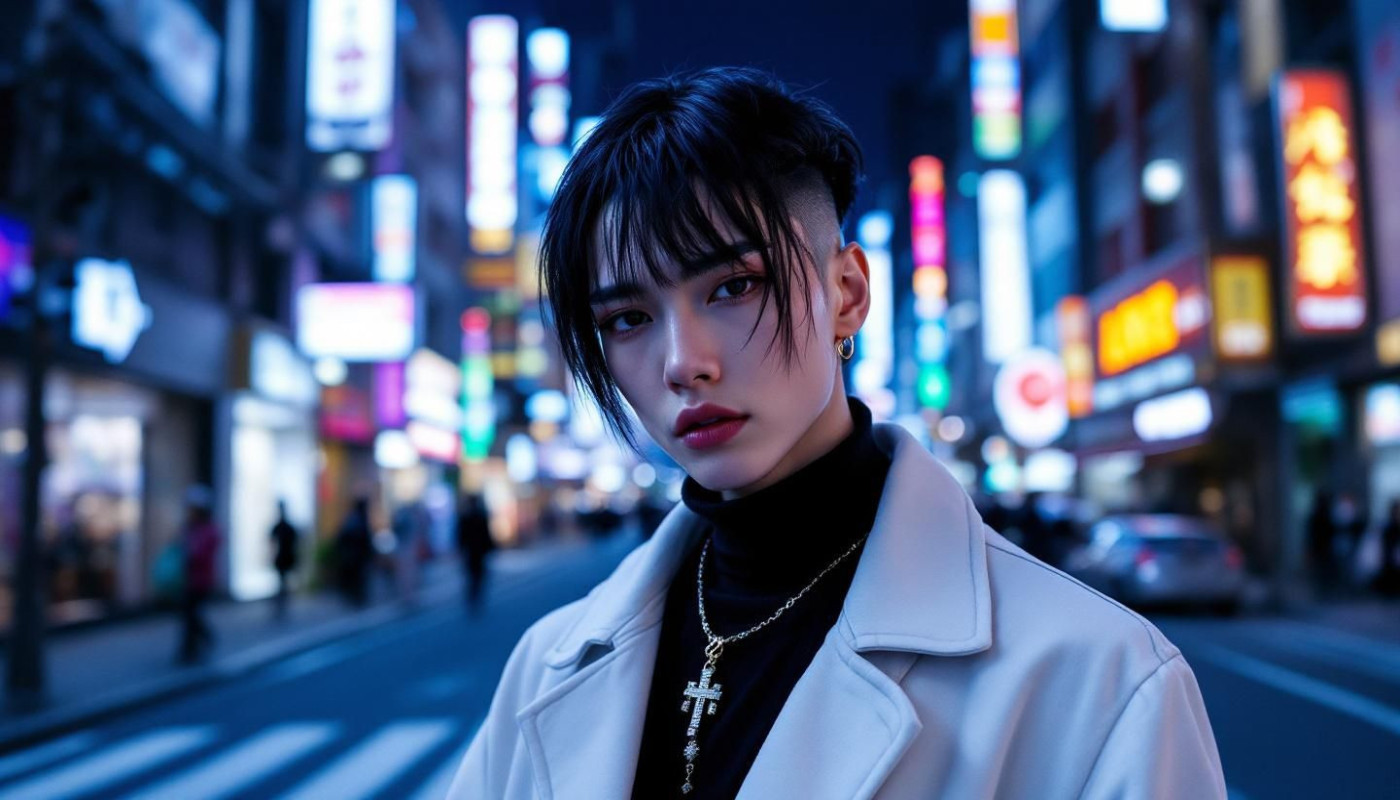
Genderless fashion in Tokyo has become a dynamic platform for style experimentation, where the boundaries of traditional gender norms are consistently challenged through inventive aesthetics and unconventional silhouettes. Tokyo streetwear is renowned for its fearless approach to layering, with oversized coats, loose trousers, and structured blazers combined in unpredictable ways to create a non-binary fashion statement. The incorporation of bold color palettes—ranging from monochrome minimalism to vibrant clashes—enhances the impact of each outfit, allowing wearers to forge a strong visual identity rooted in non-binary presentation. Androgynous clothing often features asymmetry, mixed textures, and deconstructed garments, inviting a sense of play and ambiguity that empowers individuals to express themselves authentically. Through these styling choices, Tokyo’s genderless fashion scene stands as an innovative reflection of self-expression unconstrained by binary expectations, illustrating how visual language communicates identity in contemporary urban life.
Societal impact and youth empowerment
The genderless fashion movement in modern Tokyo has become a significant catalyst for youth empowerment, providing young individuals with avenues to question and redefine traditional gender roles within Japanese society. By embracing gender performativity, young people are able to express identities beyond binary categories, leading to a broader sense of social acceptance both among peers and in wider urban communities. This transformation is not only visible in clothing choices but also in how it encourages dialogue on deeper societal issues, such as inclusion and the dismantling of longstanding stereotypes. Fashion, particularly in the vibrant districts of Tokyo, now serves as both a form of activism and a statement of personal autonomy, resonating powerfully with youth who seek environments that support self-expression and authenticity.
The influence of genderless style extends to mental health, as the freedom to dress without the constraints of rigid gender roles has been linked to increased self-esteem and reduced anxiety among the youth. Sociologists specializing in youth culture and gender studies affirm that the normalization of diverse gender expressions improves psychological well-being by validating individual identities. Moreover, as this movement gains visibility, it helps diminish discrimination, encouraging an atmosphere where differences are celebrated rather than suppressed. The intersection of fashion, social acceptance, and activism demonstrates how a single aesthetic movement can trigger broader cultural shifts, equipping young people with the confidence and tools needed to challenge and reshape Japanese society from within.
Retail spaces and fashion accessibility
Tokyo retail has rapidly embraced the genderless fashion movement by reshaping store design and merchandising to foster a more inclusive fashion environment. Forward-thinking boutiques and flagship stores are increasingly featuring open-plan layouts, integrated fitting areas, and displays that blend traditionally gendered sections, making unisex clothing readily available to a diverse customer base. Through unisex merchandising, these retailers challenge conventional norms, ensuring that accessible shopping becomes a core value. Retail industry analysts note that such strategies not only invite a broader demographic but also encourage self-expression and comfort, making the experience less intimidating and more inviting for everyone, regardless of gender identity.
The shift toward accessible shopping is also reflected in how collections are presented both in-store and online, with clear labeling and visual cues that highlight inclusivity. Tokyo retail brands showcase a variety of inclusive fashion options, often collaborating with designers renowned for their gender-neutral aesthetics. For those interested in exploring this trend further, you can try these out for an array of modern unisex collections that reflect the dynamic spirit of Tokyo’s fashion scene. This evolution in store design and merchandising is setting a new standard, inspiring other fashion capitals to rethink how they approach inclusivity and accessibility in retail environments.
Global influence and future outlook
Tokyo’s dynamic adoption of genderless fashion is driving significant shifts in global fashion trends, as the city’s designers and youth culture inspire new looks that transcend traditional gender boundaries. Through a process of cultural diffusion, the Japanese influence is increasingly visible in international runways, with brands from Europe and North America not only drawing inspiration from Tokyo street style but also initiating collaborations with Japanese designers. These partnerships fuel a vibrant cultural exchange, resulting in fashion innovation that challenges established norms and encourages a more inclusive industry worldwide. The emergence of genderless silhouettes and fluid garments in collections from major fashion capitals demonstrates the reach of Tokyo’s creative output beyond its borders.
The future outlook for genderless fashion, shaped by this ongoing exchange, suggests lasting transformation in worldwide fashion norms. As global fashion trend forecasters observe, the normalization of non-binary design is likely to accelerate, with retailers adapting offerings to meet diverse customer preferences. Digital platforms further amplify the spread of Japanese-inspired aesthetics, fostering dialogue and experimentation across continents. In sum, Tokyo’s leadership in genderless fashion is not only reshaping local identities but also setting the stage for sustained innovation and cultural convergence in global fashion, signaling a new era where self-expression and inclusivity are at the core of industry evolution.
Similar articles