Table of contents
Step into a time when fashion dared to defy the norms and self-expression took center stage. The 2000s were a vibrant era of bold choices and experimental styles, encouraging individuals to break away from the expected. Explore the unconventional fashion statements that turned heads and continue to influence trends, and discover why this decade is celebrated for its fearless individuality.
Denim reinvention
The 2000s marked a period of daring experimentation in denim, redefining the boundaries of everyday style. Patchwork jeans, with their eclectic mixes of fabrics and colors, stood out as one of the defining 2000s fashion trends. Denim was no longer limited to standard jeans; it appeared in unexpected forms such as micro-mini skirts, jackets with exaggerated collars, and even denim skirts layered over pants, a hallmark of layered outfits that became central to street style evolution. This decade’s appreciation for unconventional denim was further amplified by the use of unique textures and silhouettes—ranging from low-rise flares to ultra-baggy cuts and structured corset tops—that transformed classic workwear into bold fashion statements with clear Y2K inspiration.
A key feature of unconventional denim during this era was the widespread use of the distressed wash technique. By intentionally fading, fraying, or tearing denim fabric, designers achieved a worn-in appearance that embodied a sense of casual rebellion and authenticity. The distressed wash was not just a stylistic choice; it encapsulated the spirit of the decade’s aesthetic, which leaned heavily on the juxtaposition of polished and rugged elements. This approach allowed wearers to express individuality and break free from conventional fashion norms, ultimately pushing denim far beyond its utilitarian roots.
As denim continually evolved throughout the 2000s, it played a transformative role in how people constructed their identities through fashion. The creative layering of denim, along with the bold adoption of unconventional textures and silhouettes, contributed to a seismic shift in street style. The period’s denim innovations have left a lasting mark, offering continual Y2K inspiration for today’s designers and fashion enthusiasts. By challenging traditional notions of what denim could be, the 2000s set the stage for ongoing reinvention and self-expression in modern wardrobes.
Mixing prints and patterns
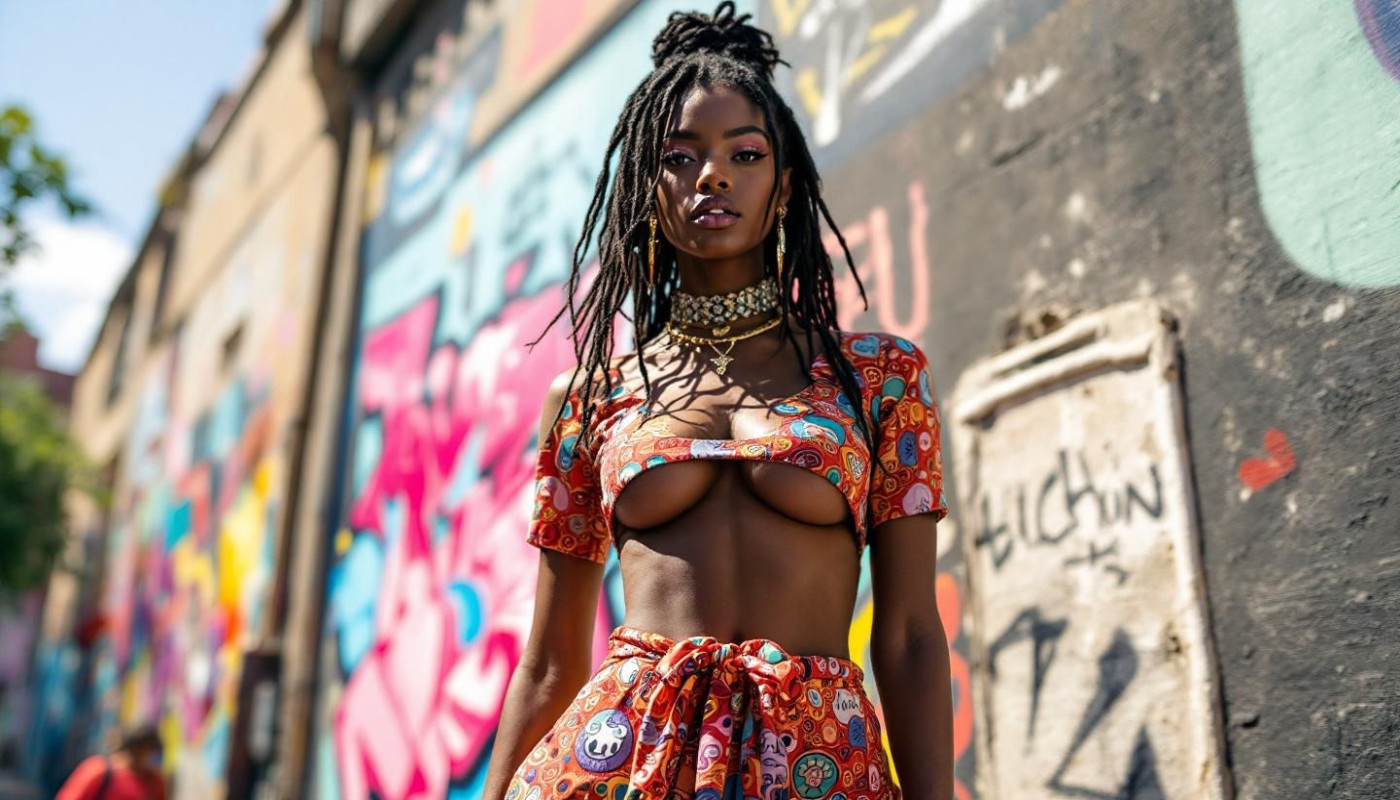
During the 2000s, print mixing became a distinctive hallmark of eclectic fashion, transforming how individuals approached their wardrobes. Instead of adhering to traditional matching sets, style enthusiasts began to combine contrasting prints such as polka dots, stripes, and florals in a single outfit. This practice introduced a fresh sense of expressive individuality, where personal taste took precedence over established fashion rules. Color blocking, a technical method of pairing bold, solid colors, played a significant role in grounding these ensembles and preventing visual overload, providing a structured balance amid the chaos of clashing designs. The result was a 2000s wardrobe defined by bold patterns, playful experimentation, and retro styling cues that continue to inspire fashion-forward thinkers. Through the fusion of diverse prints, fashion in this era broke boundaries, encouraging self-expression and confidence for those daring enough to embrace the unexpected.
Accessorizing with attitude
The 2000s style landscape was dramatically shaped by statement accessories, with oversized belts, chunky jewelry trends, and bold headwear trends pushing boundaries and redefining how ensembles were perceived. From thick, corset-inspired belts cinching basic tunics to layers of bangles and eye-catching necklaces, accessories transformed otherwise plain outfits into memorable statements. These bold belt fashion choices were not only practical but also served as the focal point, drawing the eye and adding structure to silhouettes that favored a more relaxed fit. In the same vein, chunky jewelry trends—whether colorful plastic beads or oversized chains—offered a playful contrast to minimalist clothing, ensuring that accessories took center stage.
Headwear trends of the decade, including trucker hats, wide fabric headbands, and embellished beanies, further illustrated the era's embrace of unconventionality. These pieces were often worn as both protective and expressive elements, instantly elevating a look from simple to striking. Statement accessories were pivotal in creating individuality, allowing wearers to display personality and confidence in a way that clothing alone could not. By making these items the focal point, fashion-savvy individuals demonstrated that a well-chosen accessory was sometimes all that was needed to set a trend or start a conversation.
In sum, the 2000s marked a period where accessorizing with attitude became a fundamental aspect of personal style. Statement accessories were no longer just add-ons but intentional choices that could completely redefine an outfit’s aesthetic. The impact of bold belt fashion, chunky jewelry trends, and distinctive headwear trends continues to influence modern fashion, serving as a reminder that daring details often leave the most lasting impression.
Gender-fluid silhouettes
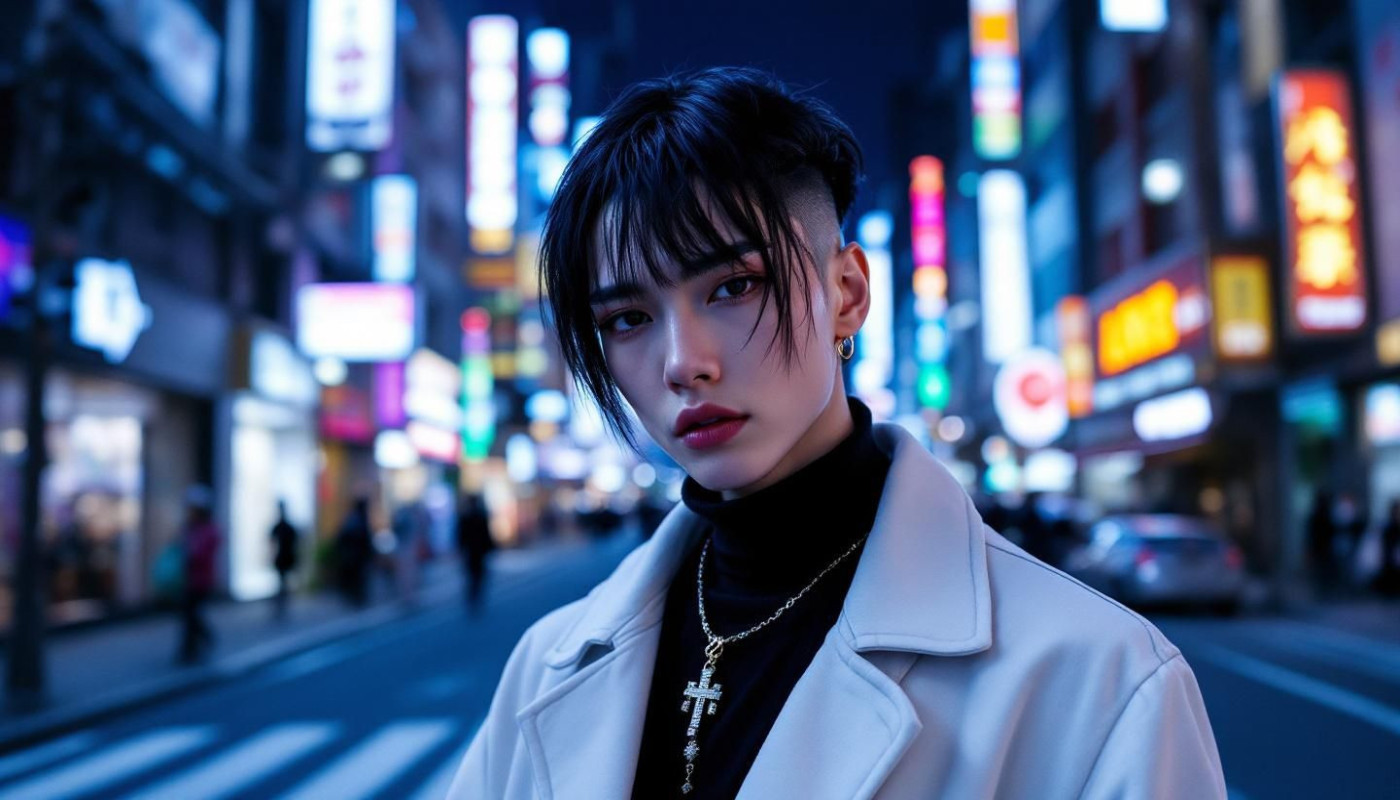
The 2000s marked a turning point for androgynous style, with gender-fluid fashion gaining prominence and reshaping 2000s clothing. Influenced by pop icons and a growing awareness of nonbinary trends, designers began experimenting with silhouettes that blurred traditional gender lines. Baggy pants, oversized shirts, and fitted blazers became staples in unisex outfits, allowing individuals to express themselves outside the constraints of male or female wardrobes. According to a celebrated gender studies scholar, the technical term silhouette was especially significant in this era, as it referred not just to the shape of clothing but to the wearer’s ability to inhabit a space beyond binary fashion expectations.
The adoption of androgynous style in mainstream culture paved the way for greater acceptance of gender-fluid fashion, with runways and street style showcasing a spectrum of identities. Nonbinary trends during this decade demonstrated that 2000s clothing was about more than aesthetics; it was a social statement challenging conventional norms. Today, those seeking inspiration from this transformative period can find numerous resources, and a useful source for authentic gender-fluid pieces from the era is available at useful source. The legacy of these unisex outfits continues to influence contemporary fashion, highlighting the ongoing dialogue between identity and self-expression.
Layering as self-expression
The surge of layering trends in 2000s outfits marked a unique shift toward creative fashion and individualism. Tank tops worn over long sleeves, skirts paired with jeans, and dresses layered atop pants became hallmarks of the era, as mix-and-match clothes enabled people to step beyond prescribed looks and embrace personal style. This practice introduced visual depth to ensembles, making each outfit more dynamic and multifaceted. The strategic stacking of garments was not just about warmth or practicality; it was about making bold statements and showcasing an imaginative approach to dressing. By combining unlikely pieces, fashion enthusiasts found endless opportunities for customization, encouraging confidence and a playful attitude toward trends.
Embracing mix-and-match clothes provided a platform for experimentation and self-expression, which resonated strongly with those seeking to break away from mainstream conventions. Layering trends were championed by celebrities and everyday individuals alike, further fueling their popularity in creative fashion circles and pop culture. The effect of visual depth added intrigue and complexity to even the simplest 2000s outfits, effectively transforming basic staples into unique, personalized ensembles that reflected an individual’s mood, taste, and identity. This stylish reinvention of wardrobe basics helped redefine what it meant to have personal style, leaving a lasting impact on how future generations approach fashion.
Similar articles